- Home
- Flood Damage Cleaning
- Flood Damage Cleaning Liverpool
Flood Water in Your Home or Shop? We Clean It Up Fast
Flood Damage Cleaning Liverpool
Flood Restoration and Water Damage Restoration for Homes and Businesses
Flood Cleanup for Houses, Flats, Shops, Offices and Restaurants
- Unmarked vehicles
- Fully insured
- Covering Liverpool
If flood water has got into your property, you need help today, not next week. Our flood damage cleaning service covers Liverpool, from Liverpool and Bootle to the Wirral, Knowsley, Sefton and St Helens. We pump out the water, dry the building and restore it so you can use it again.
No Mess Too Much handles flood damage restoration, flood restoration and water damage restoration for houses, flats, shops, offices and restaurants. That includes flood cleanup and water damage cleaning, all planned by one team. You make one call and we take it from there.
Not sure what you need yet? Send us a message through our contact form for a free quote. The sooner we start, the less flood damage your property takes.
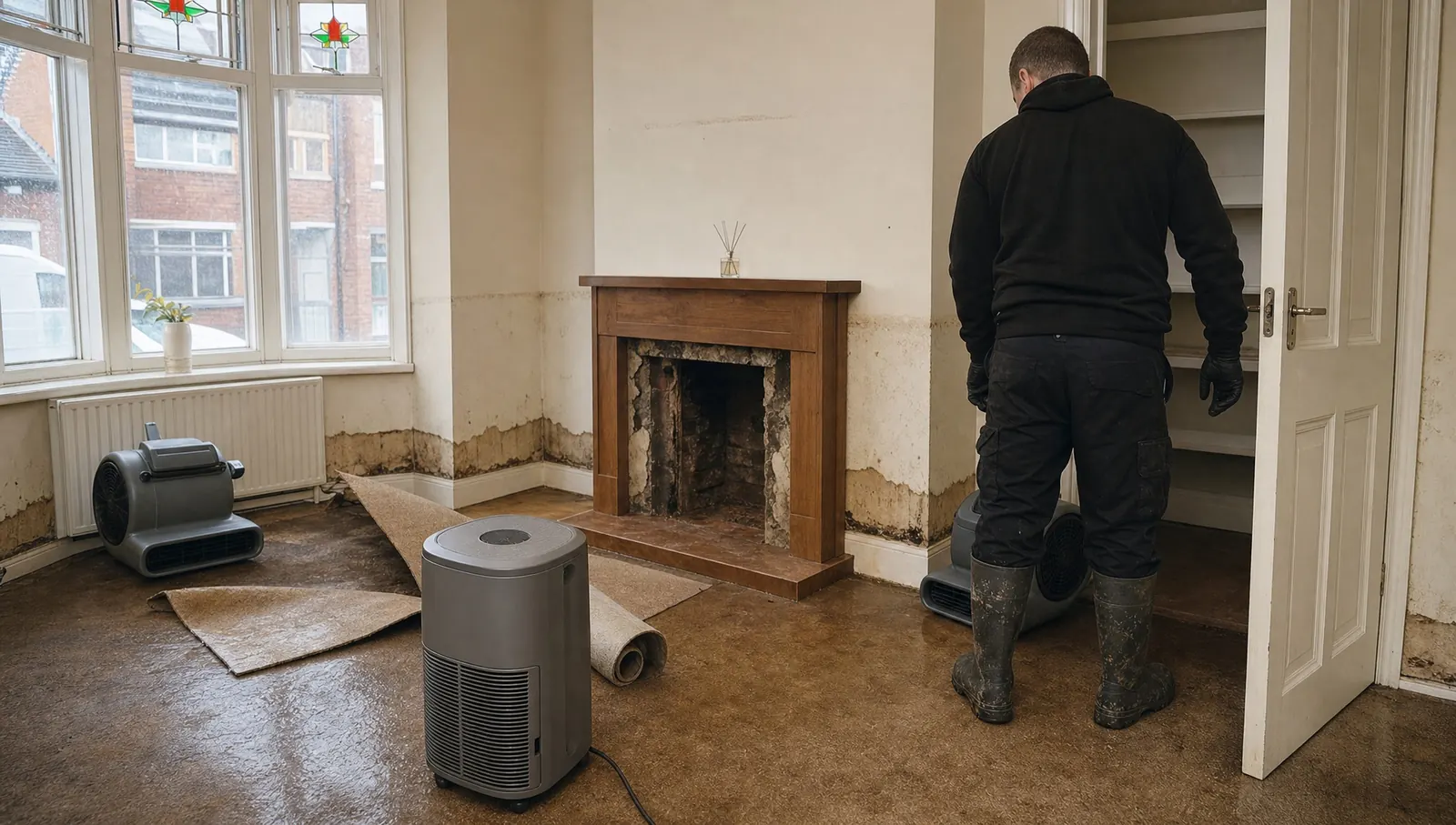
 Water out fast
Which Homes and Businesses Do We Help After Flooding?
We help anyone dealing with flood water, whether it came through the front door or up through the floor. Here is who calls us most and why.
Houses, Flats and Period Homes Hit by Flood Water
+Most of our calls come from homeowners, tenants and landlords. Water gets in after heavy rainfall, a blocked drain, a high tide or burst pipes under a floor. Water ingress through a roof, a door or an airbrick is just as common.
Even internal leaks from a split washing machine hose can soak a kitchen in minutes. We deal with flood and water damage of every size, from one wet room to a whole ground floor.
In September 2024, flooding in Bootle and Seaforth led to 62 property reports, and 37 of them were internal flooding. Emergency crews helped 42 people, and at the peak they used six fire engines, search-and-rescue staff and a drone. Behind those numbers are flooded homes with flood water damage to carpets and floors.
Period homes with solid brick walls and timber floors hold water for longer, so they need slow, careful drying. In a block of flats, water can travel through floors into the homes below and cause water damage and secondary damage. If you own a residential property in a block, tell us which neighbours are hit.
We keep the work tidy, with minimum disruption to family life. We protect the rooms we are not working in.
Shops, Offices, Restaurants and Clinics That Need to Reopen
+For commercial premises, every day shut costs money. We plan the work around your opening hours so there is minimal disruption to staff and customers. Where we can, we work evenings and weekends.
Sefton recorded 1,863 commercial properties at risk from 1-in-100-year surface-water flooding in 2025. A restaurant kitchen under an inch of water cannot trade safely. A shop with soaked tiled floors or an office with ruined carpets and plasterboard is in the same spot.
Flood restoration for a business is a race against the clock. Less disruption to trading means less lost income. We tell you early when you can reopen.
A Quick Word on Flooded Basements
+Flooded basements and cellars are a separate job with their own pumping needs, so we handle them as a flooded basement cleaning service. Tell us about the cellar when you call and we will plan both restoration visits in one go.
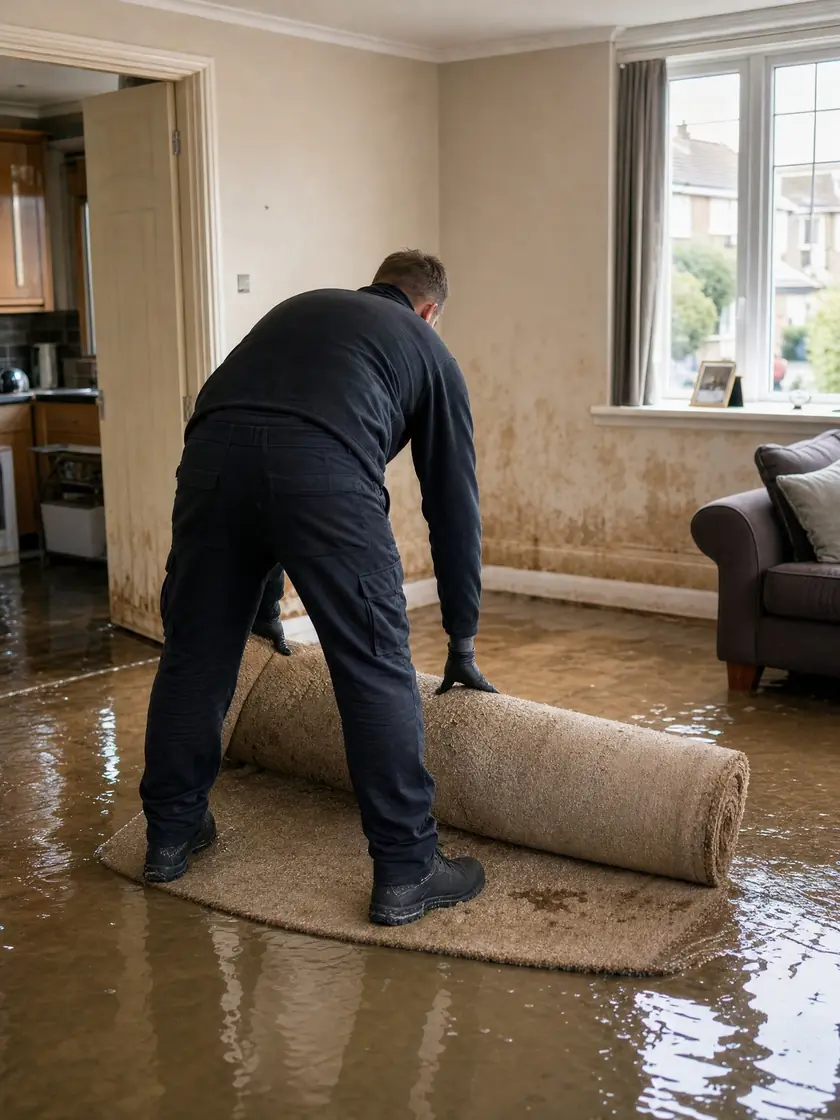
 Homes and businesses
Why Is Flooding Such a Risk Across Liverpool?
Flood and water damage hit this area often, and the numbers are going up. Here is what the local records show.
Merseyside Flood Facts From Sefton, the Wirral and Liverpool
+Sefton's 2025 monitoring data counted 7,032 residential properties in Flood Zone 2 and 6,253 in Flood Zone 3. The Zone 3 homes sit inside the Zone 2 total, so do not add the two figures. Sefton also counted 14,213 homes at risk from surface-water flooding in a 1-in-100-year downpour.
A year earlier the Zone 2 figure was 6,841 and the Zone 3 figure was 6,011. In the Wirral Flood Risk Area, about 13,100 properties were once estimated to be at risk in a 1-in-200-year surface-water event. In July 2017, about 28mm of rain fell across the east of the Wirral in four hours, and 35 of the 74 affected properties flooded inside.
On 9 April 2024, coastal flooding hit West Kirby during a storm surge, high spring tides and Force 9 winds of around 45mph. It got into three homes and a business storage area. Standing water on South Parade reached about 200mm, and most of it took around four hours to clear from the road.
Liverpool has its own record. A 2025 investigation looked at ten serious floods around Deysbrook Lane and West Derby between 2010 and 2024. Seven homes around Manderston Drive and Avington Close flooded inside during two events in July and August 2023.
Surface water has also hit Maghull, Formby, Thornton, Lydiate, Knowsley Village, Huyton, Prescot, Halewood and St Helens town centre. St Helens has even fitted an underground tank at its Transport Interchange that can hold about 300,000 litres. Drains alone cannot always cope.
Flood Facts Across England That Affect Liverpool Owners
+Around 6.3 million homes and businesses in England sit in areas at risk of flooding, about one in five homes. About 4.6 million properties sit in areas at risk from surface water, where hard rain overwhelms drains and sewers. Projections suggest the total could reach around eight million by mid-century.
Between April 2024 and March 2025, around 5,000 properties flooded in England, even with defences protecting an estimated 167,000. Fire and rescue services attended 15,920 flooding incidents in the year to March 2026, which is 16% more than ten years earlier. Almost 17% of English households, about 4.3 million, reported new moisture damage after intense rain or storms in 2024 to 2025.
How Fast Does Flood Damage Get Worse?
+Very fast. Mould growth can start within 24 to 48 hours of flooding, and water extraction needs to begin as soon as possible to limit secondary damage.
Wet walls and floors hide moisture long after the surface looks dry. That hidden moisture leads to structural damage and further damage to plaster, timber and wiring. Every hour you wait adds to the bill.
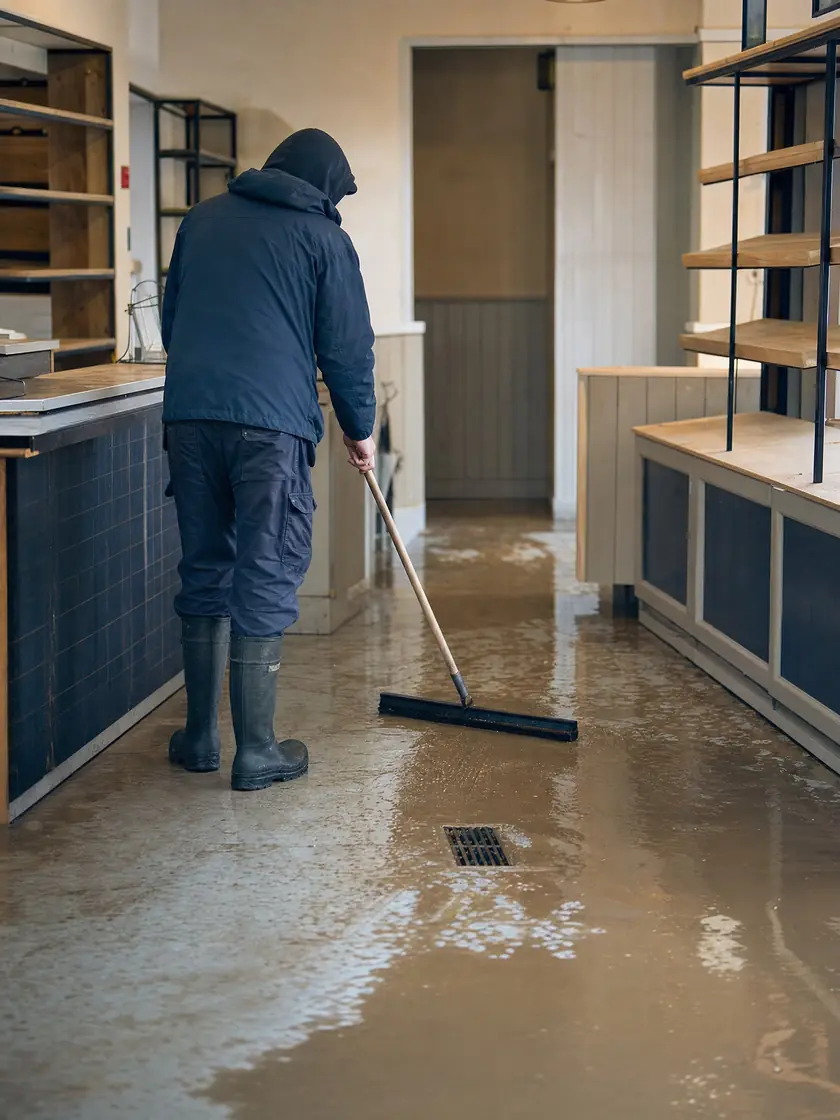
 Flood risk
What Does Our Flood Damage Restoration Process Look Like From First Call to Final Report?
Every flood damage restoration job follows the same steps. Our water damage restoration process is built to stop further damage early, then dry and clean the building. The entire process runs in order, so nothing gets missed.
Rapid Response and an Initial Assessment on Site
+When you call, our emergency teams head to you fast. That rapid response means trained people on your doorstep, not a promise to ring back next week. Use our contact form and we will get back to you quickly.
Our flood restoration specialists start with an initial assessment. We find the water source, check for hazards and list the affected areas and the water damage in each. Moisture meters and thermal imaging show us hidden moisture behind walls and under floors.
We then sort what can be cleaned, dried or salvaged from what cannot. You get that list in plain words, before any big work starts.
Water Extraction to Clear Standing Water and Excess Water
+We use industrial water-extraction and drying equipment. It moves far more water than a household wet vacuum ever could. Powerful pumps clear the standing water first.
Wet vacuums then lift excess water from carpets, tiled floors and tight corners the pumps cannot reach. Good water extraction is the quickest way to cut your drying time. Fast water extraction also stops the damp spreading.
Strip Out of Wet Materials That Cannot Be Saved
+Some materials will never dry properly after flood water damage. We strip out soaked carpets, underlay, ruined plasterboard, wet insulation and swollen skirting. That strip out lets air reach the structure and clears the way for building repairs.
Contaminated items go into sealed bags and we dispose of them properly. Our restoration team does all the lifting and carrying.
Structural Drying With Air Movers and Drying Equipment
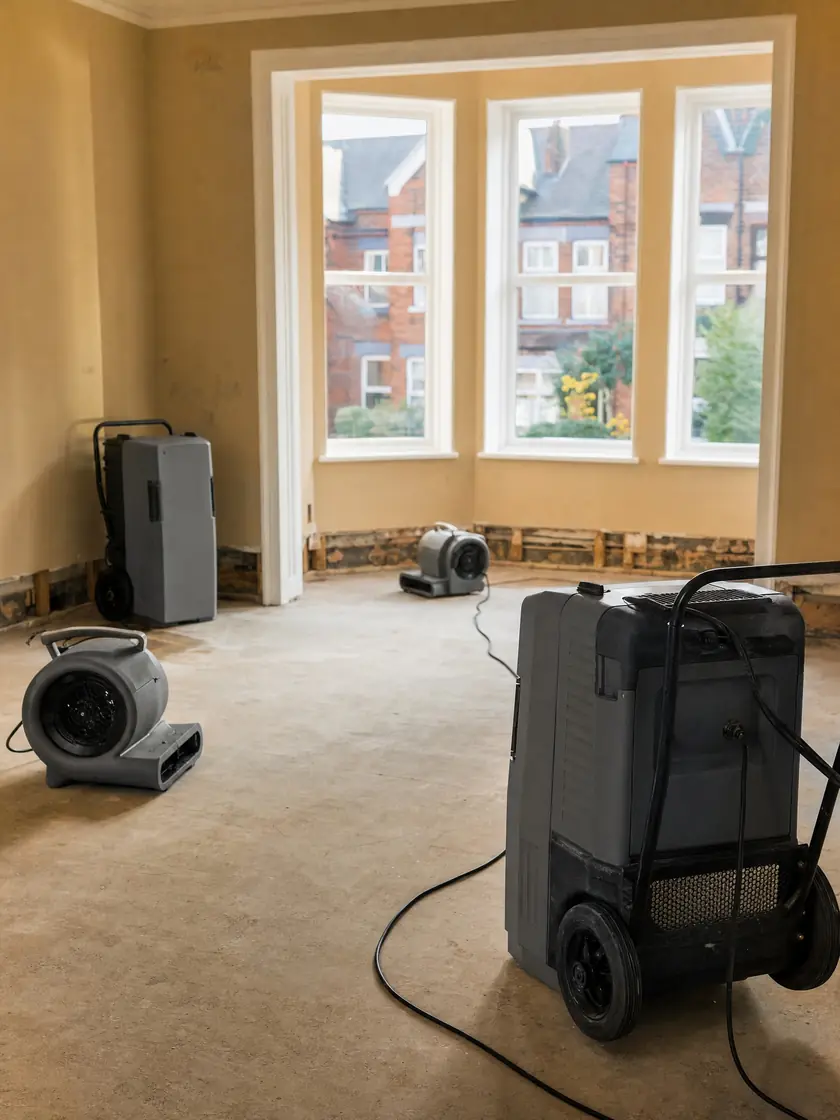
+Structural drying is where most flooded buildings are won or lost. We place air movers and dehumidifiers through the affected areas and run them around the clock. This drying process pulls moisture out of brick, timber and screed, not just the surface.
Our drying specialists check readings every day and log them. They move the drying equipment as the building dries out. Thorough drying prevents mould growth and structural deterioration, and it is the best route to preventing long term issues such as rot and recurring smells.
Cleaning and Decontamination That Makes the Building Safe Again
+Once everything is dry, we clean. Most external flood water is treated as highly contaminated, so surfaces need decontamination, not just a wipe. We use safe products to eliminate contaminants from floors and fixed furniture, and we take extra care where sewage has been in the building.
This flood cleaning restores kitchens and bathrooms to safe use, and it doubles as water damage cleanup where silt and grime settle in every gap. We finish by checking for smells and early mould. If something needs separate treatment, we tell you.
Full Report, Drying Certificate and Handover
+When the readings reach a safe level, you get a full report with photos of the affected areas and your moisture logs. A drying certificate confirms the property has reached an acceptable moisture level. Your builder can then start building repairs with confidence.
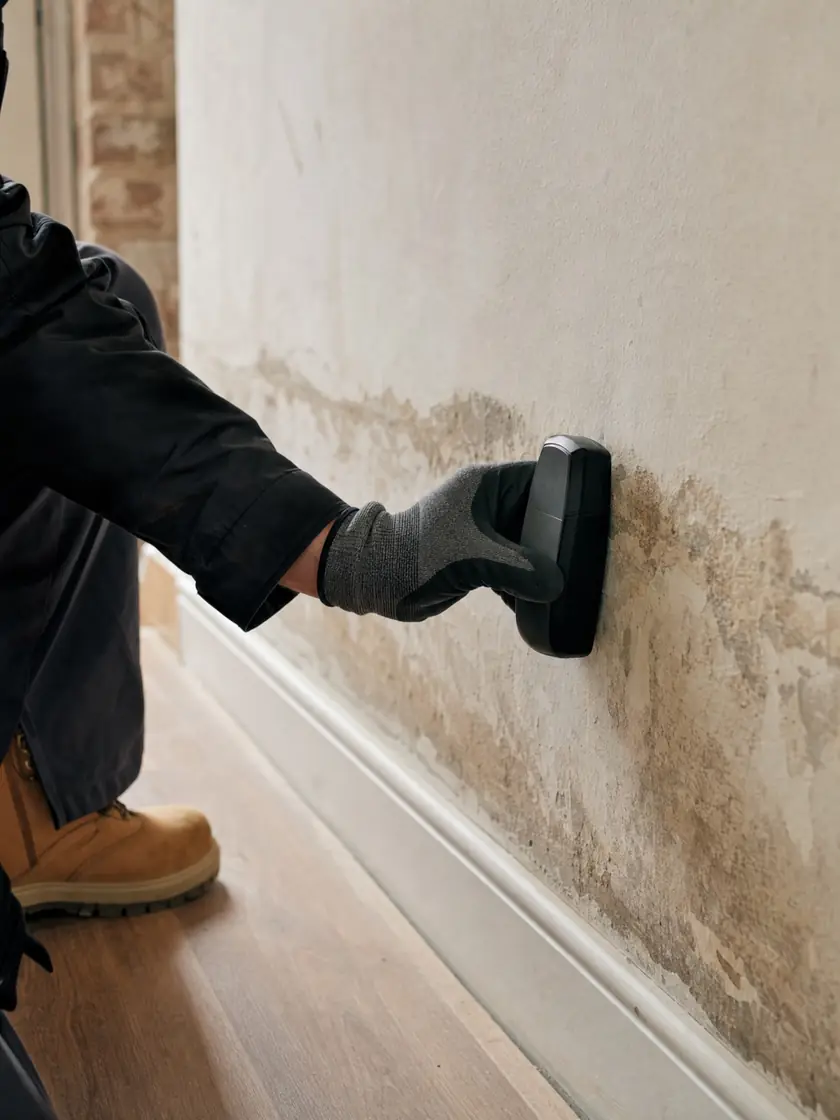 First call to final report
How Long Does Drying Take After a Flood?
Drying time is the first thing most people ask us. The honest answer depends on how wet the building is. Here is what to expect.
Typical Drying Times for Homes and Commercial Premises
+Structural drying can take 7 to 21 days, depending on the extent of the damage. A small kitchen flood sits at the short end. A whole ground floor with soaked rooms sits at the long end.
Flood restoration as a whole can take from several days to several weeks. Times vary depending on how wet the building got and how long the water sat. After extensive flooding with sewage and heavy property damage, Liverpool emergency-response representatives have said residents can be out of their homes for around six months.
What Slows the Drying Process Down
+Solid brick walls, timber floors, thick screed and wall insulation all hold water. Flood water damage hides in cavities and adds days. Cold, damp weather slows things down too.
Water that sat for days is harder to shift than water cleared within hours, and it causes more secondary damage. That is why we move fast to restore your property.
 Drying time
Will My Insurance Pay for Flood Damage Cleaning?
Many policies cover flood and water damage, but the terms differ. Check your policy wording to see what it pays to restore, and ask us if you want help with the cleaning side of a claim.
What to Do Before You Contact Your Insurance Company
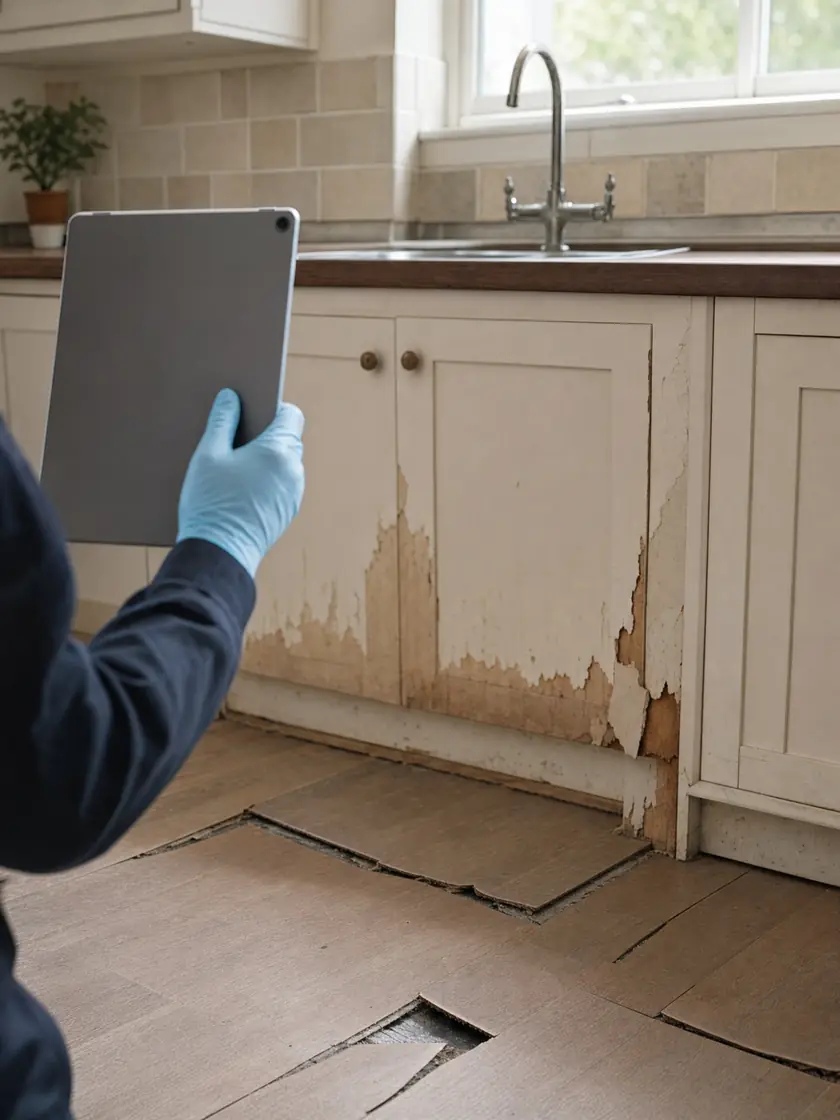
+Take photos and videos of the water and the damage before anything moves. Keep receipts for emergency costs. Then call your insurance company or insurance provider as early as you can, because many policies expect quick notice.
If you have home insurance, check whether flood is listed, and whether burst pipes and rising water are covered the same way. A property owner with a business policy should check the same thing. The average UK home insurance payout for flooding reached £30,000 in 2025, which was 60% higher than the year before.
UK insurers paid £312 million for domestic flood claims in 2025, up 38% in a year. Weather-related property claims reached £1.2 billion, and total property insurance payouts hit a record £6.1 billion. A clear insurance claim, backed by proof, moves faster.
How Our Moisture Records Support Your Claim
+We record readings, photos and drying logs on every flood damage restoration job. Moisture monitoring and drying logs can support an insurance claim because they show what was wet and when it dried. Our full report adds the work done, room by room.
We are happy to speak to your loss adjuster if you ask us to. We do the same for homes and for businesses, and for water incidents of any size.
 Insurance
What Must Be Thrown Away After Flooding, and What Can We Save?
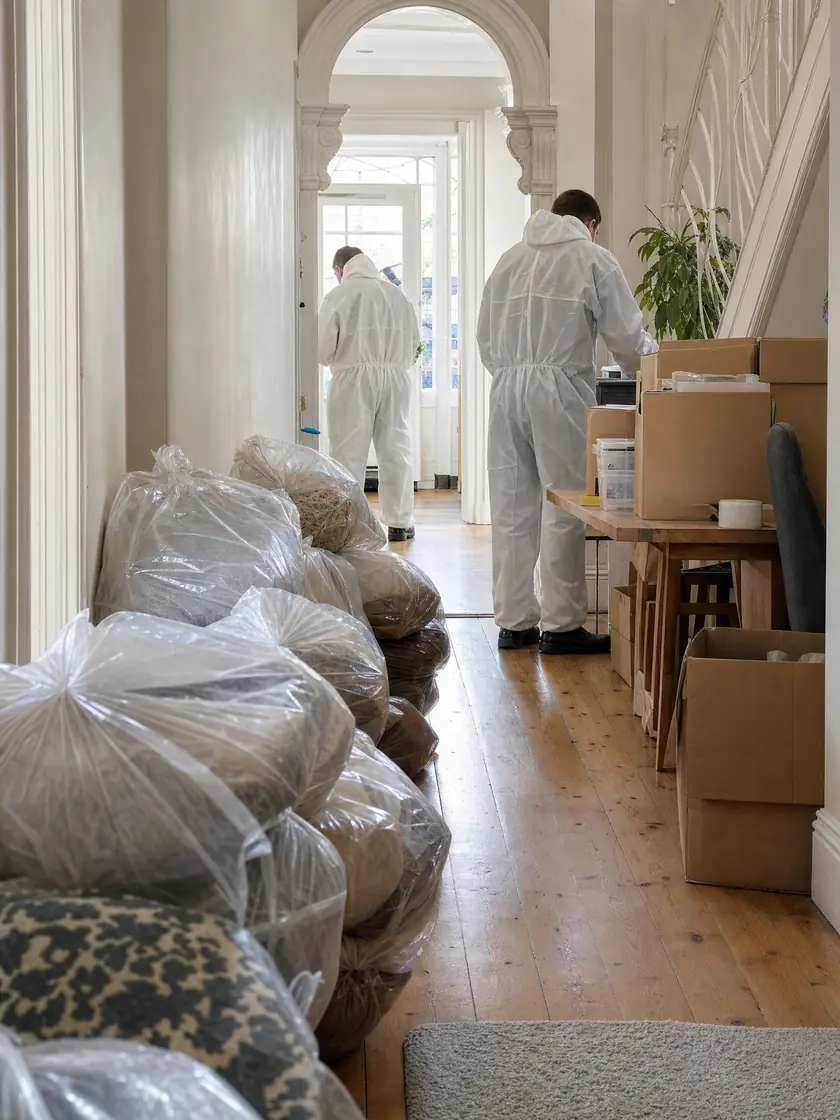
We cannot save everything. The rule is simple: soft, porous items soaked by dirty flood water usually have to go. Hard, sealed items can often be cleaned.
Items That Usually Have to Go
+- Carpets, rugs and underlay
- Mattresses, sofas and other soft furnishings
- Plasterboard, insulation and chipboard units that stayed wet
- Food, drinks and packaging that touched flood water
- Cardboard, books and paper
If the water was black water, the list grows. Tell your insurance company before you bin big items, as they may want to see them first.
Items We Can Often Clean and Save
+Solid wood furniture, glass, metal, ceramics, hard plastics and sealed tiled floors can usually be cleaned and dried. Brick, stone and concrete can too. We check each item and tell you straight what is worth keeping.
Saving an item saves you replacement money. It can also shorten the claim.
 Save or throw
What Are Clean, Grey and Black Water, and What Health Risks Do They Carry?
Not all water is the same. The type decides how we clean and how careful we need to be.
Clean, Grey and Black Water in Plain English
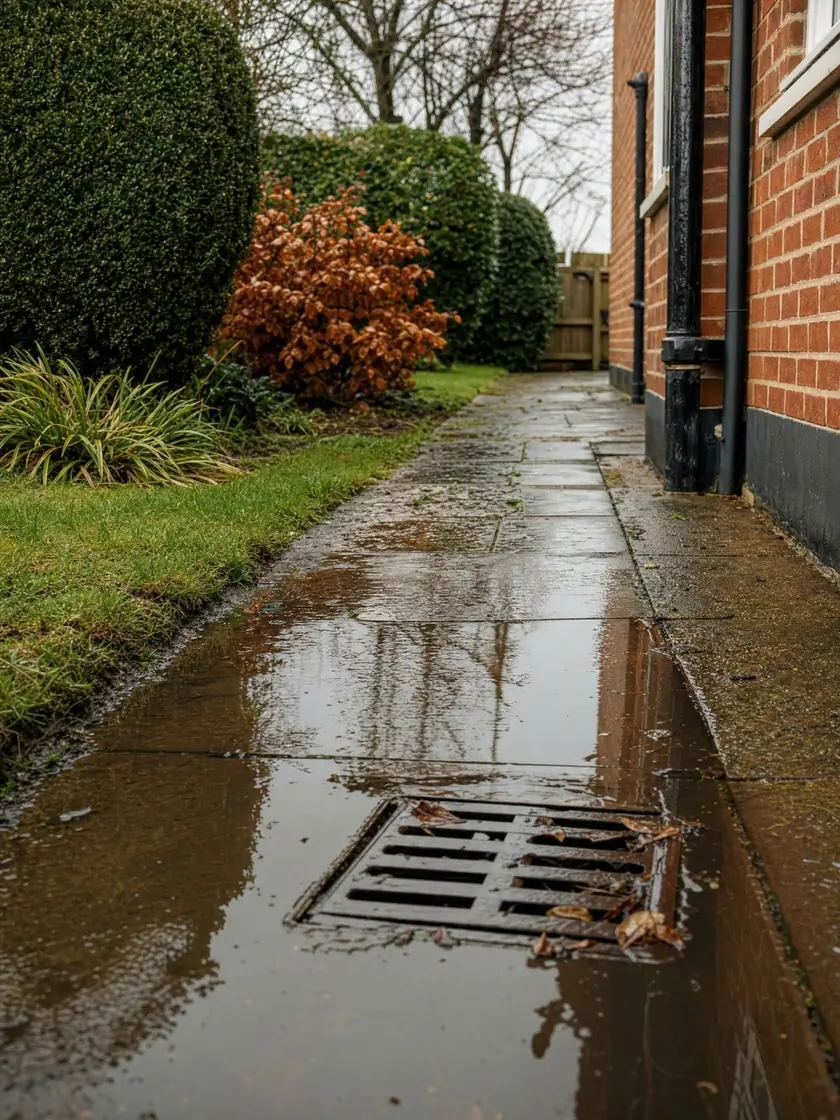
+Water damage is commonly sorted into clean, grey and black water. Clean water comes from burst pipes or overflowing taps.
Grey water carries soap and grime from appliances such as dishwashers and washing machines. Black water is highly contaminated and may contain sewage.
Flood water from outside can hold sewage, chemicals, bacteria and other contaminants. In July 2024, a flood on Deysbrook Lane left visible sewage debris after combined sewers surcharged. That is why flood water is never ordinary rainwater.
Health Risks of Contaminated Flood Water
+Exposure to contaminated water can cause infections and respiratory problems. Children, older people and anyone with a weak immune system are at greater risk. Please keep them out of wet rooms until we have finished.
Mould adds more health risks. Among English households reporting storm-related moisture damage, surveyors found about 523,000 with an existing damp problem and 74,000 with a Category 1 damp and mould hazard. That is why we dry first, then clean, then check.
 Water categories
How Much Does Flood Damage Cleaning Cost in Liverpool?
These are our rough prices based on recent projects across Liverpool and the surrounding area. Most jobs fall into one of these bands.
- Call-out and initial assessment: £250 to £500
- Small flood in one room, with water extraction and basic drying: £500 to £1,500
- Moderate flood across a few rooms: £1,500 to £4,000
- Severe flood across a whole floor, with sewage and several weeks of drying: £5,000 to £12,000 or more
- Typical rate per square metre for extraction, drying and cleaning: £40 to £70
- Extra drying equipment per day on longer jobs: £50 to £100
Flood restoration times and costs depend on the water source, exposure time and severity of the damage. Water damage that sat for days costs more than water cleared in hours. Repairs after drying, such as new plaster or flooring, are quoted separately.
These prices are a rough guide and the actual cost varies with each property and each flood. Please use our contact form for an accurate quote.
Why Do Property Owners in Liverpool and the surrounding area Choose No Mess Too Much?
We keep it simple. We turn up fast, we tell you the price and we do the job properly, as our reviews show.
Experienced Specialists and a Clear Plan
+Our experienced specialists have cleaned up after flooding and water damage in homes and workplaces. You get a clear plan, a clear price and one person to talk to throughout the restoration. No jargon and no upsell.
We check readings before we sign off, and you see them in the report. Our flood damage restoration covers houses, flats, shops, offices and restaurants throughout Liverpool. Our water damage restoration services and water damage services work the same way for homes and businesses.
As a specialist cleaning company, our aim is to restore your property after flood and water damage, fast and with less disruption. Then you can get back to normal life or back to trading.
Other Problems That Flooding Brings
+Flooding often leaves more than water damage on the floor. Sewage, mould and bad smells are common, and we deal with each as its own service if you need it. Mention them on the call so we can plan the right visits. If fire or smoke has also damaged your property, our fire damage cleaning services can help.
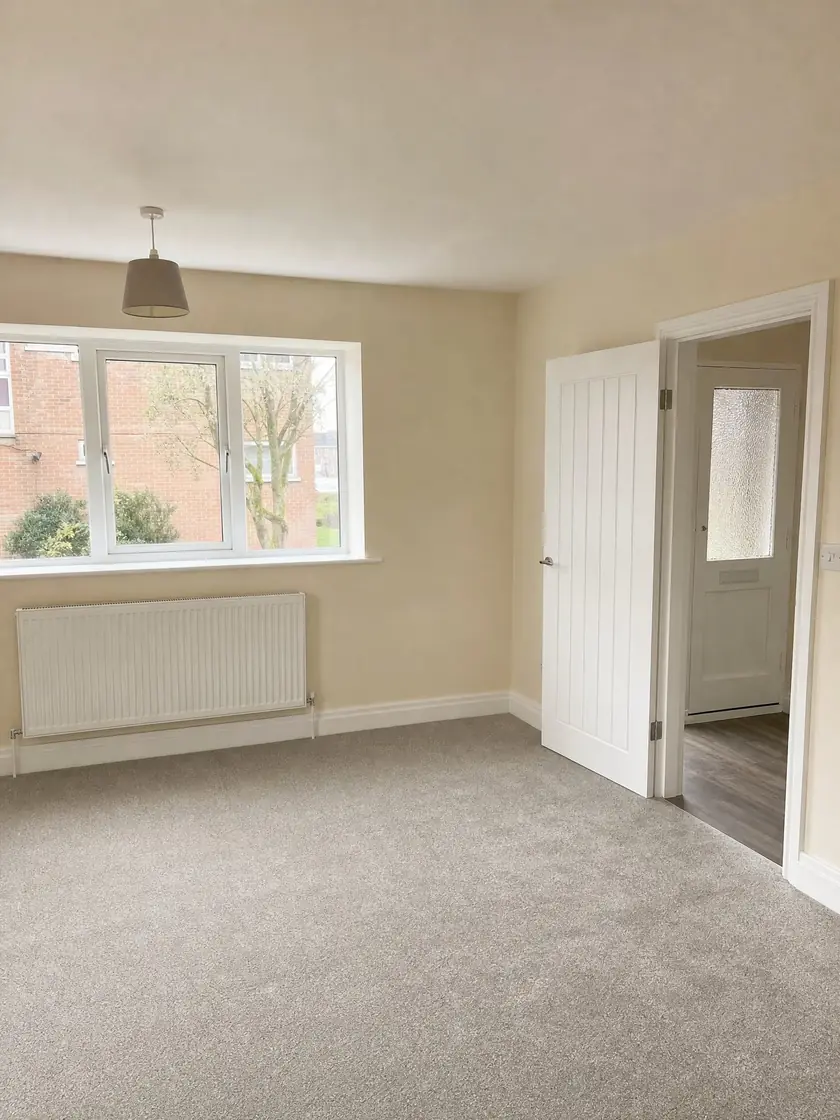 Why choose us
Get Your Free Flood Damage Cleaning Quote From No Mess Too Much Today
Flood water does not wait, and neither should you. Fill in our contact form and tell us what happened, where you are across Liverpool and what water damage you can see. We will give you a free quote and a clear plan for flood restoration that protects your property from further damage.
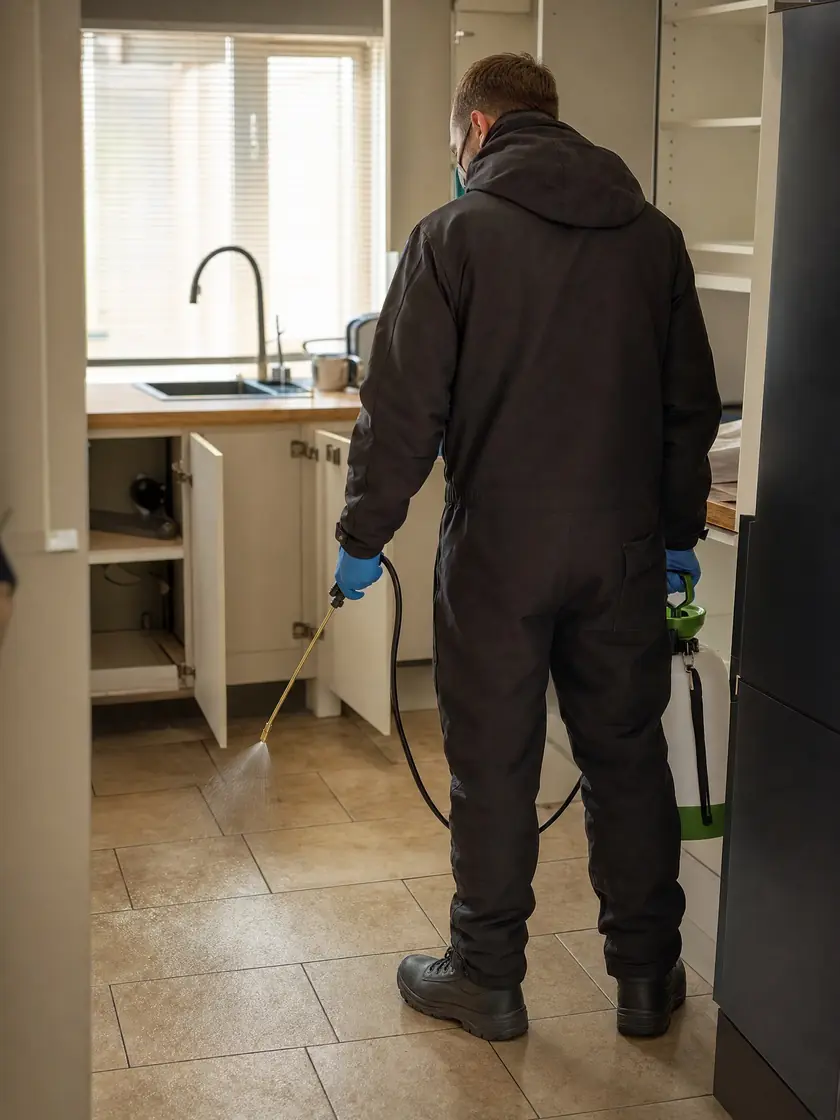 Free quote
Questions about flood damage cleaning in Liverpool
Straight answers from the people who do the work.
How much does flood damage cleaning cost in Liverpool?
Flood damage cleaning in Liverpool costs about £500 to £1,500 for a small flood in one room, £1,500 to £4,000 for a moderate flood across a few rooms and £5,000 to £12,000 or more for a severe flood with sewage. These prices are a rough guide and the actual cost varies with each property and each flood, so use our contact form for an accurate free quote.
How long does drying take after a flood?
Drying after a flood usually takes 7 to 21 days for structural drying, depending on the extent of the damage. Full flood restoration can run from several days to several weeks, depending on how wet the building got and how long the water sat.
Will insurance pay for flood damage cleaning?
Insurance often pays for flood damage cleaning, but the terms differ between policies, so check your wording and tell your insurer early. Our moisture readings, photos and drying logs show what was wet and when it dried, which can support your claim.
What has to be thrown away after flooding?
After flooding, soft, porous items soaked by dirty flood water, such as carpets, underlay, mattresses and sofas, usually have to go. Solid wood furniture, glass, metal, ceramics and sealed tiled floors can often be cleaned and saved, but tell your insurance company before you bin big items.
Is flood water dangerous to your health?
Flood water from outside is dangerous to your health because it can hold sewage, chemicals, bacteria and other contaminants. Exposure can cause infections and respiratory problems, and children, older people and anyone with a weak immune system are at greater risk, so keep them out of wet rooms until we have finished.
How quickly can mould grow after a flood?
Mould can start growing within 24 to 48 hours after a flood, so water extraction needs to begin as soon as possible. Call us straight away and we will pump out the water and start drying before the damage spreads.
Other work we do in Liverpool
- Biohazard Cleaning Liverpool
- After Death Cleaning Liverpool
- Crime Scene Cleaning Liverpool
- Suicide Cleanup Liverpool
- Extreme Cleaning Liverpool
- Hoarder Cleaning Liverpool
- Needle Sweeps Liverpool
- Human Waste Cleanup Liverpool
- Pigeon Guano Removal Liverpool
- Bird Droppings Removal Liverpool
- Commercial Cleaning Liverpool
- Office Cleaning Liverpool
- School Cleaning Liverpool
- Industrial Cleaning Liverpool
- Kitchen Deep Cleaning Liverpool
- Kitchen Extraction Cleaning Liverpool
- TR19 Extraction Cleaning Liverpool
- TR19 Duct Cleaning Liverpool
- Communal Area Cleaning Liverpool
- Emergency Cleaning Liverpool
- Event Cleaning Liverpool
- Fire Damage Cleaning Liverpool
- Flooded Basement Cleanup Liverpool
- Sewage Cleanup Liverpool
- Odour Removal Liverpool
- Nicotine Removal Liverpool
- Mould Removal Liverpool
- House Clearance Liverpool
- Probate Clearance Liverpool
- Property Clearance Liverpool
- Squatter Clearance Liverpool
- Decluttering Liverpool
- Cleaners Liverpool
- End of Tenancy Cleaning Liverpool
- Void Property Cleaning Liverpool
- Deep Cleaning Liverpool
- Carpet Cleaning Liverpool
- Holiday Let Cleaning Liverpool
- Airbnb Cleaning Liverpool
- After Builders Cleaning Liverpool
- Same Day Cleaning Liverpool
- About Liverpool
Ready when you are
Tell us what you are dealing with. A real person answers, a clear price follows, and the job is done quietly.
No Mess Too Much · 0151 380 0783 · Flood Damage Cleaning in Liverpool and across Merseyside